

------------Local reinforcement + repairable
Edge bonding, with its advantages of stress-free reinforcement, high reworkability, and process flexibility, is widely used in various electronic devices that require stable operation of semiconductor chips, covering multiple core areas such as consumer electronics, industrial control, automotive electronics, and communications equipment.
Industry Challenges
1. Environmental and Operating Condition Challenges:
Hot-Cold Cycles: Frequent hot-cold cycles and thermal expansion and contraction can easily lead to solder joint fatigue, material aging, and warping.
Vibration and Shock: These can cause micro-cracks in BGA solder joints, package detachment, and PCB stress damage.
2. Electrical and System Challenges:
Power Consumption and Heat Dissipation: High-performance MCUs generate significant heat during operation. Poor system heat dissipation can lead to chip overheating and reduced lifespan.
3. Package and Solder Reliability Challenges:
Degraded Solder Joint Reliability: Leadless packages such as BGAs and QFNs require stringent soldering procedures. Thermal cycling and mechanical shock can easily lead to solder joint fatigue failure.
Underfill Material Failure: Material aging, cracking, or inadequate coverage can reduce the package's resistance to vibration and warping.
Chip Package Warpage: Improper or poorly matched package structure and uneven thermal expansion can cause warping and fracture.
MCOTI EW 6300HVN-11AF Edge Bonding
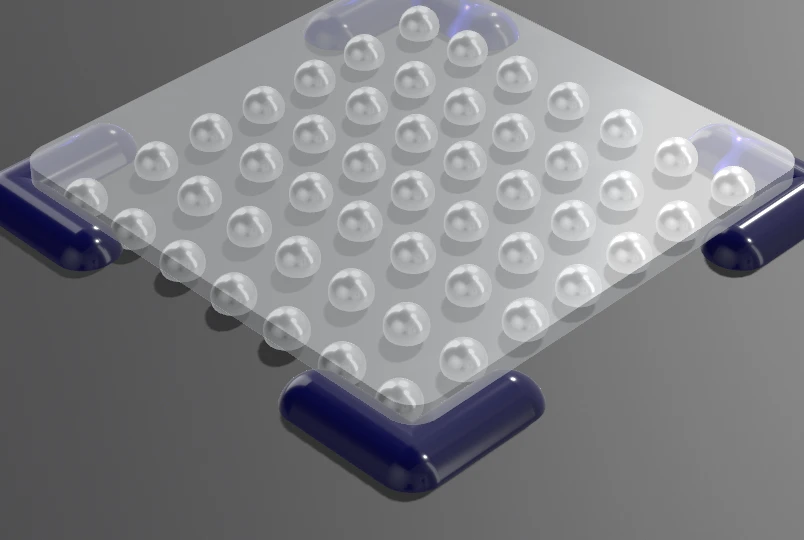
Designed specifically for large chips
Dispensing adhesive around the chip's edges, while not completely filling the bottom, helps distribute stress on the solder joints, maximizing the device's thermal cycling capability and providing mechanical support. This significantly improves PCB reliability, reduces rework costs, and enhances process stability.
Product Advantages and Highlights
Product Features
• Excellent adhesion to various substrates, such as chips, PCBs, and PBT
• Excellent resistance to mechanical shock and vibration
• Thixotropic properties with well-controlled flow
• Excellent environmental aging resistance
Balanced cost and reliability
Minimizes CM product line changes, eliminating fixed investment requirements
Large-size BGA packages, offering a balanced balance of cost and reliability
Up to 80% cost savings compared to underfill processes
Improved reliability
Low moisture absorption: After aging for 288 hours at 23°C/50% RH and 65°C/90% RH, moisture absorption rates were 0.27% and 2.47%, respectively. High and low temperature shock: -55~125°C, 1000 cycles, no cracking.
Drop test: No dispensing failure rate is the highest, while Mecotech Edge bonding failure rate is significantly reduced.
Excellent rework performance
Full rework yield >95%
Environmentally friendly
Compliant with RoHS 2.0, Reach, HF, and VOC standards.
By leveraging "local reinforcement + reworkability," Edge Bonding ensures stable chip operation while reducing production and maintenance costs. From everyday consumer electronics to specialized equipment operating in extreme environments, Edge Bonding, with its flexible process and reliable performance, provides critical underlying technical support for smart living, industrial upgrades, and technological advancements.


