


As a supplier of Thermal Interface Gel, I understand the importance of proper storage to maintain the quality and performance of this essential product. In this blog post, I will share the best ways to store Thermal Interface Gel, ensuring that it remains in optimal condition for its intended use.
Understanding Thermal Interface Gel
Before delving into storage methods, it's crucial to understand what Thermal Interface Gel is and why it's used. Thermal Interface Gel is a type of thermal interface material (TIM) that is used to fill the microscopic gaps between a heat source, such as a CPU or GPU, and a heat sink. By filling these gaps, the gel improves thermal conductivity, allowing heat to transfer more efficiently from the heat source to the heat sink. This helps to prevent overheating and ensures the reliable operation of electronic devices.
Factors Affecting Thermal Interface Gel Storage
Several factors can affect the quality and performance of Thermal Interface Gel during storage. These include temperature, humidity, exposure to air, and contamination. Understanding these factors is essential for implementing the best storage practices.
Temperature
Temperature is one of the most critical factors in storing Thermal Interface Gel. Extreme temperatures can cause the gel to change its physical properties, such as viscosity and thermal conductivity. High temperatures can cause the gel to become too thin, while low temperatures can make it too thick. Both scenarios can affect the gel's ability to fill gaps and transfer heat effectively.
Humidity
Humidity can also have a significant impact on the quality of Thermal Interface Gel. High humidity levels can cause the gel to absorb moisture, which can lead to changes in its physical properties and reduce its thermal conductivity. Additionally, moisture can promote the growth of mold and bacteria, which can contaminate the gel and render it unusable.
Exposure to Air
Exposure to air can cause the gel to dry out and harden over time. This can make it difficult to apply the gel and reduce its ability to fill gaps effectively. To prevent this, it's important to keep the gel in a sealed container when not in use.
Contamination
Contamination can occur when the gel comes into contact with foreign substances, such as dust, dirt, or other chemicals. This can affect the gel's performance and reduce its thermal conductivity. To prevent contamination, it's important to handle the gel with clean hands and avoid exposing it to dirty or dusty environments.
Best Practices for Storing Thermal Interface Gel
Based on the factors mentioned above, here are the best practices for storing Thermal Interface Gel:
Store in a Cool, Dry Place
The ideal storage temperature for Thermal Interface Gel is between 20°C and 25°C (68°F and 77°F). This temperature range helps to maintain the gel's viscosity and thermal conductivity. It's also important to store the gel in a dry place to prevent moisture absorption. A sealed container or a storage cabinet can help to protect the gel from humidity and air exposure.
Keep the Container Sealed
When not in use, it's important to keep the container of Thermal Interface Gel sealed tightly. This helps to prevent air and moisture from entering the container and affecting the gel's quality. Make sure to check the container regularly to ensure that it remains sealed.

Avoid Exposure to Direct Sunlight
Direct sunlight can cause the gel to heat up and change its physical properties. To prevent this, it's important to store the gel in a dark place or in a container that blocks sunlight.
Handle with Clean Hands
When handling Thermal Interface Gel, it's important to use clean hands to prevent contamination. Avoid touching the gel with dirty or oily hands, as this can introduce foreign substances into the gel and affect its performance.
Check the Expiration Date
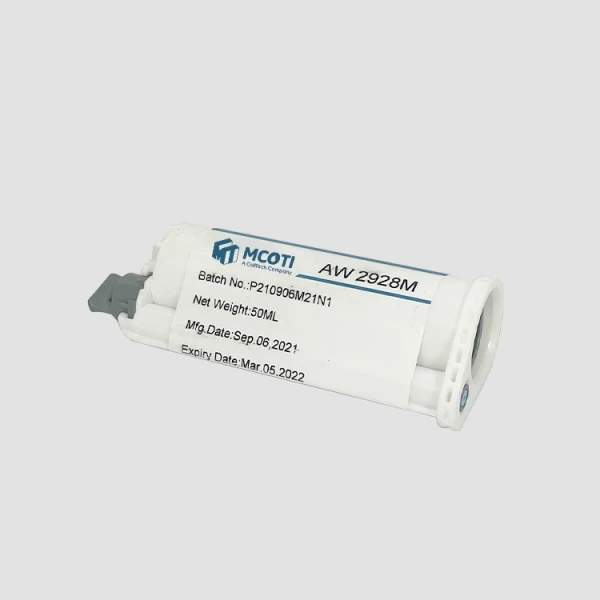
Like any other product, Thermal Interface Gel has an expiration date. It's important to check the expiration date on the container and use the gel before it expires. Using expired gel can affect its performance and may not provide the desired thermal conductivity.
Additional Tips for Storing Thermal Interface Gel
In addition to the best practices mentioned above, here are some additional tips for storing Thermal Interface Gel:
Label the Container
To avoid confusion, it's a good idea to label the container of Thermal Interface Gel with the date of purchase and the expiration date. This can help you keep track of the gel's age and ensure that you use it before it expires.
Store in Small Quantities
If you don't use Thermal Interface Gel frequently, it's a good idea to store it in small quantities. This can help to reduce the risk of the gel drying out or becoming contaminated over time.
Use a Desiccant
A desiccant is a substance that absorbs moisture. Placing a desiccant in the container of Thermal Interface Gel can help to keep the gel dry and prevent moisture absorption. Silica gel packets are a common type of desiccant that can be used for this purpose.
Conclusion
Proper storage of Thermal Interface Gel is essential for maintaining its quality and performance. By following the best practices and additional tips mentioned in this blog post, you can ensure that your Thermal Interface Gel remains in optimal condition for its intended use. If you have any questions or need further information about storing Thermal Interface Gel, please don't hesitate to contact us. We are a leading supplier of Thermal Interface Gel, Thermal Gap Filler Material, and Thermally Conductive Acrylic Adhesive, and we are committed to providing our customers with high-quality products and excellent customer service.
If you are interested in purchasing Thermal Interface Gel or any other thermal interface materials, please contact us to discuss your specific requirements. We look forward to working with you.
References
- Thermal Interface Materials: Principles and Practice, Second Edition, by Bar-Cohen, Avram; Kraus, Andrew D.
- Handbook of Thermal Management of Electronic Systems, by Lee, Yitshak; Bar-Cohen, Avram.


